July 29, 2026
Purchasing a used car can be a practical way to find reliable transportation while potentially spending less than you would on a new vehicle. However, buying a pre-owned vehicle requires more than finding a model you like and agreeing to a price. A car's history, mechanical condition, seller, market value, and driving experience can all affect whether the purchase becomes a good investment or an expensive source of frustration.
Taking time to evaluate these factors can help you make a more informed decision. Whether you are shopping at a dealership or considering a private-party sale, understanding what to look for can help you identify potential problems before completing the transaction. Before buying used cars, consider the following factors carefully.
What Should I Look for in the Vehicle's History Report?
A vehicle history report can provide valuable information about a car's past. While a report cannot reveal every issue a vehicle has experienced, it can help identify warning signs that may not be obvious during a quick inspection.
One of the most important details to review is the accident history. A vehicle that has been involved in a collision may have received high-quality repairs, but significant structural damage or improper repairs can create future problems. Look for information about the severity of reported accidents and determine whether the vehicle was ever declared a total loss.
Service records are also valuable. Regular oil changes, brake work, tire replacements, and other maintenance can indicate that previous owners took care of the vehicle. A lack of records does not necessarily mean the car was neglected, but it does create more uncertainty about its maintenance history.
The number of previous owners can also provide useful context. A vehicle that has changed hands frequently over a short period may deserve additional scrutiny, particularly if there is no clear explanation for the repeated ownership changes. Buyers should also check for title issues, including salvage, rebuilt, flood, or other branded titles.
How Can I Properly Inspect the Condition of a Used Car?
A vehicle history report is only one part of evaluating used cars. A thorough inspection is equally important because a report may not document every mechanical problem, maintenance issue, or cosmetic defect.
Begin with the exterior. Look for mismatched paint, uneven panel gaps, dents, rust, and signs of previous body repairs. Differences in paint color or texture may indicate that a panel was replaced or repaired after an accident. Rust deserves particular attention around the wheel wells, rocker panels, doors, trunk areas, and underbody.
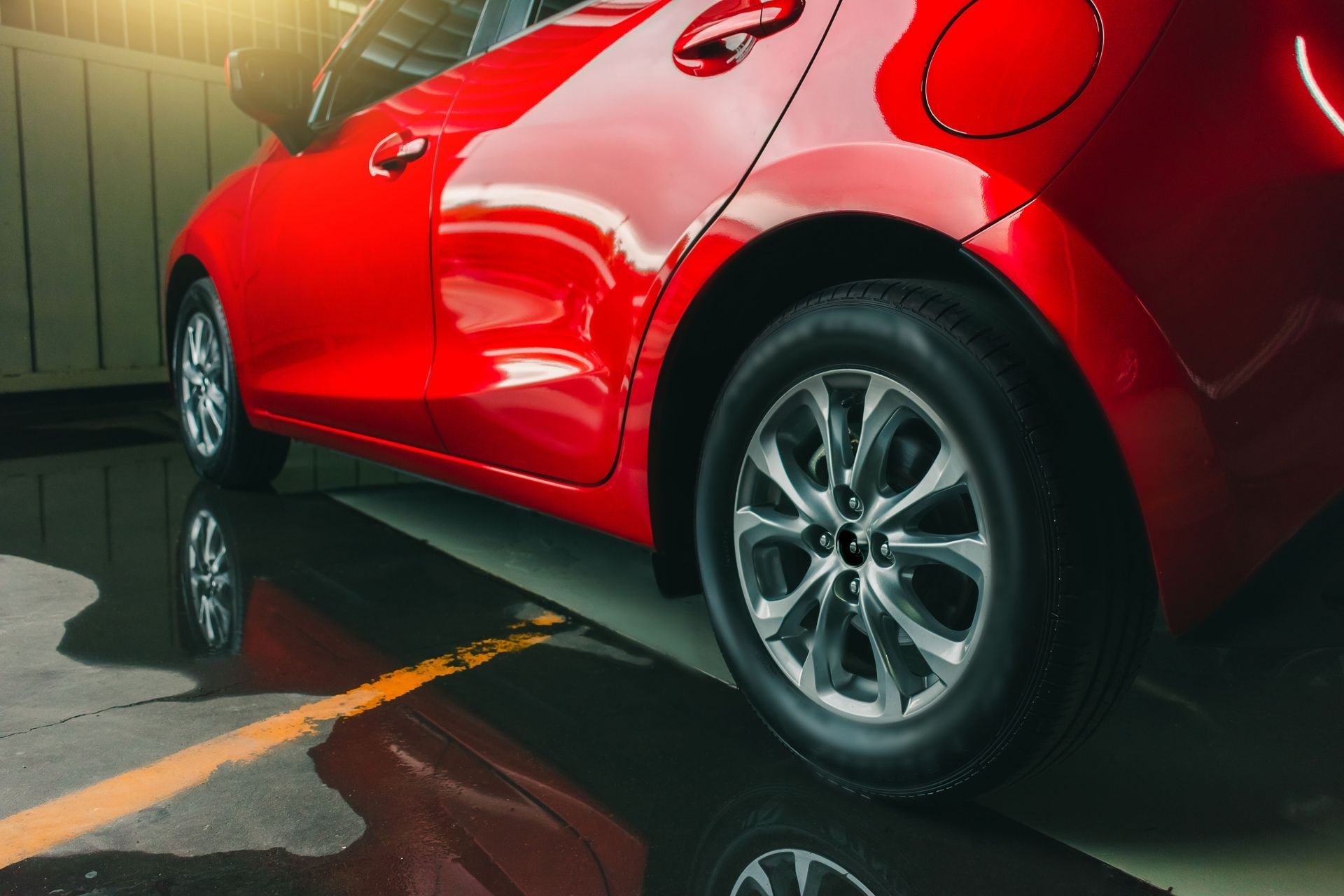
The condition of the tires can also provide useful information. Uneven tread wear may indicate alignment problems, worn suspension components, or other mechanical issues. Check the tires for adequate tread depth and signs of cracking or damage.
Inside the vehicle, inspect the seats, carpeting, dashboard, and controls. Test the air conditioning, heater, windows, locks, lights, infotainment system, and other electronic features. Replacing or repairing certain electrical components can be expensive, so it is better to identify problems before purchasing.
The engine compartment and underside of the vehicle also deserve attention. Look for fluid leaks, damaged components, excessive corrosion, and signs of poor repairs. During a cold start, listen for unusual noises and observe whether the engine starts easily. Blue, white, or excessive black exhaust smoke may also warrant further investigation.
What Are the Signs of a Reliable Seller?
The seller can have a major influence on the buying experience. A reputable dealership or private seller should be willing to answer questions, provide relevant documentation, and allow you reasonable time to evaluate the vehicle.
Be cautious of sellers who pressure you to make an immediate decision. Statements about another buyer arriving soon, a price that is only available for a few minutes, or demands for a deposit before you can properly inspect the vehicle may be warning signs.
Transparency is another important characteristic. A seller should be willing to discuss the vehicle's history and provide access to documentation when available. Dealerships should also clearly explain the vehicle's price, fees, warranties, and any additional products included in the transaction.
Certified pre-owned programs can provide another option for buyers who want additional assurances. These programs typically involve vehicles that meet specific age, mileage, inspection, and certification requirements. However, the details can vary significantly between manufacturers, so buyers should understand exactly what a certification includes before relying on it.
How Do I Negotiate the Price of a Used Car?
Research is one of the most effective tools available when negotiating the price of used cars. Before visiting a seller, research the vehicle's typical market value based on its make, model, year, mileage, condition, features, and location.
Pricing guides can provide a useful starting point, but they should not be treated as an absolute value. A vehicle with excellent maintenance records and new tires may reasonably be worth more than a similar vehicle requiring immediate repairs. On the other hand, cosmetic damage, worn brakes, or mechanical problems may provide legitimate reasons to negotiate a lower price.
The condition of the vehicle can provide leverage during negotiations. If an inspection identifies worn tires, leaking fluids, or required maintenance, obtain estimates for the necessary repairs. You can then use those costs as part of a reasonable discussion about the purchase price.
It is also important to focus on the total cost of the transaction. At a dealership, the advertised vehicle price may not include taxes, registration, documentation fees, or optional products. Ask for a complete breakdown of the purchase price before agreeing to the transaction.
What's the Importance of a Test Drive?
A test drive provides an opportunity to evaluate how the vehicle actually performs on the road. A car may look excellent while still having handling, transmission, suspension, or comfort issues that become apparent only when driving.
Pay attention to how the vehicle starts and accelerates. The engine should respond smoothly, and the transmission should shift without harsh engagement, unusual delays, or excessive slipping. Listen for clunks, rattles, squeaks, grinding, or other sounds that may indicate mechanical problems.
Test the brakes in a safe area. The vehicle should stop smoothly without pulling significantly to one side, excessive vibration, or unusual noises. Steering should also feel predictable, and the car should not pull noticeably when traveling on a reasonably level road.
Try to drive in several conditions if possible. City streets can reveal issues with low-speed operation and shifting, while highway driving can provide information about stability, road noise, and performance at higher speeds. If the vehicle has features such as four-wheel drive or all-wheel drive, verify that those systems operate properly.
What Other Costs Should I Consider?
The purchase price is only one part of the cost of owning used cars. Before making a decision, consider insurance premiums, fuel economy, registration costs, maintenance, and likely repairs.
Some vehicles may have an affordable purchase price but expensive parts or frequent maintenance needs. Others may cost more upfront but offer lower operating expenses. Research common problems associated with the specific year and model you are considering.
The vehicle's age can also provide useful context. According to ConsumerAffairs, the average truck on the road is 11.8 years old, illustrating how long many vehicles can remain in service when properly maintained. Age alone does not determine whether a vehicle is a good purchase, but older vehicles may require more attention to components such as suspension parts, rubber seals, cooling systems, and electrical equipment.
Buying
used cars can be a smart way to obtain reliable transportation, but the process requires careful evaluation. Reviewing the vehicle history report, inspecting the car's physical and mechanical condition, researching the seller, negotiating based on reliable information, and taking a thorough test drive can all help you make a better decision.
By taking your time and asking thoughtful questions, you can reduce the likelihood of unpleasant surprises. The goal is not simply to find the cheapest vehicle available. Instead, focus on finding a car with a history, condition, price, and ownership cost that align with your needs and budget. If you're looking for a quality used car, reach out to the team at Kurt Bonner's Whitehall Motor Sales today!